
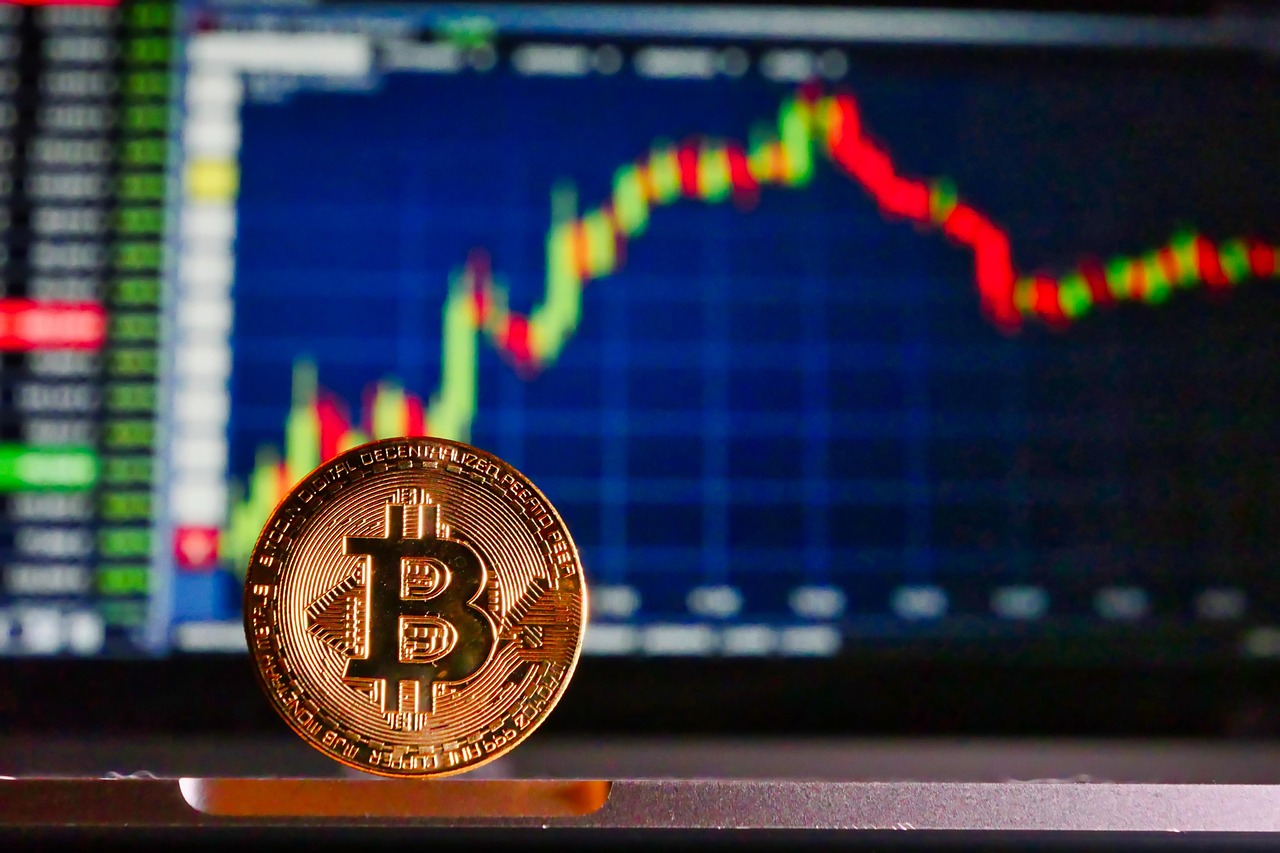
Bitcoin Price Lags Despite Institutional Adoption and Crypto Market Transition. Source: Image by Roy Buri from Pixabay
Bitcoin (BTC) is currently trading around $73,000, but some industry experts believe the cryptocurrency should be valued much higher based on recent developments in the digital asset space. Kevin de Patoul, CEO and co-founder of crypto investment firm Keyrock, argues that the market may be misinterpreting macroeconomic conditions and the long-term structural progress happening within the crypto industry.
The world’s largest cryptocurrency has declined roughly 18% since the start of the year after reaching an all-time high of approximately $125,000 in October last year. Despite growing regulatory clarity and increasing institutional adoption, Bitcoin’s price performance has remained underwhelming.
According to de Patoul, if investors had evaluated the positive developments from early 2025 through 2026—including regulatory advancements and stronger institutional participation—they would likely have expected Bitcoin’s price to surge. Instead, BTC has faced sustained pressure for much of the past nine months. One explanation is that the market still treats Bitcoin as a risk-on asset rather than a safe-haven hedge. In periods of financial uncertainty, investors often reduce exposure to assets perceived as higher risk, which can lead to capital exiting Bitcoin markets.
Over the past six months, the broader crypto market has shown limited momentum. Bitcoin remains well below its previous peak, while many altcoins have struggled to maintain upward trends. Trading volumes have declined, volatility has compressed, and large speculative rallies typical of earlier crypto cycles have not materialized. Although institutional interest in tokenization and blockchain infrastructure continues to grow, cautious capital flows have kept prices relatively subdued.
De Patoul describes the current environment not as stagnation but as a structural transition within digital finance. From Keyrock’s perspective, two distinct markets are emerging simultaneously. The first is the traditional crypto-native sector, including decentralized finance (DeFi) and altcoins, where speculative activity and liquidity cycles once dominated. That ecosystem now shows more selective investment opportunities rather than widespread speculative rallies.
The second market involves the digitization of traditional finance. This includes stablecoins, tokenized funds, tokenized money market products, and blockchain-based financial infrastructure. Institutions such as banks and asset managers are actively building in this space, focusing less on Bitcoin’s short-term price fluctuations and more on long-term financial system upgrades.